
The First 30 Days: What Actually Matters When You're Starting New Goals in 2026
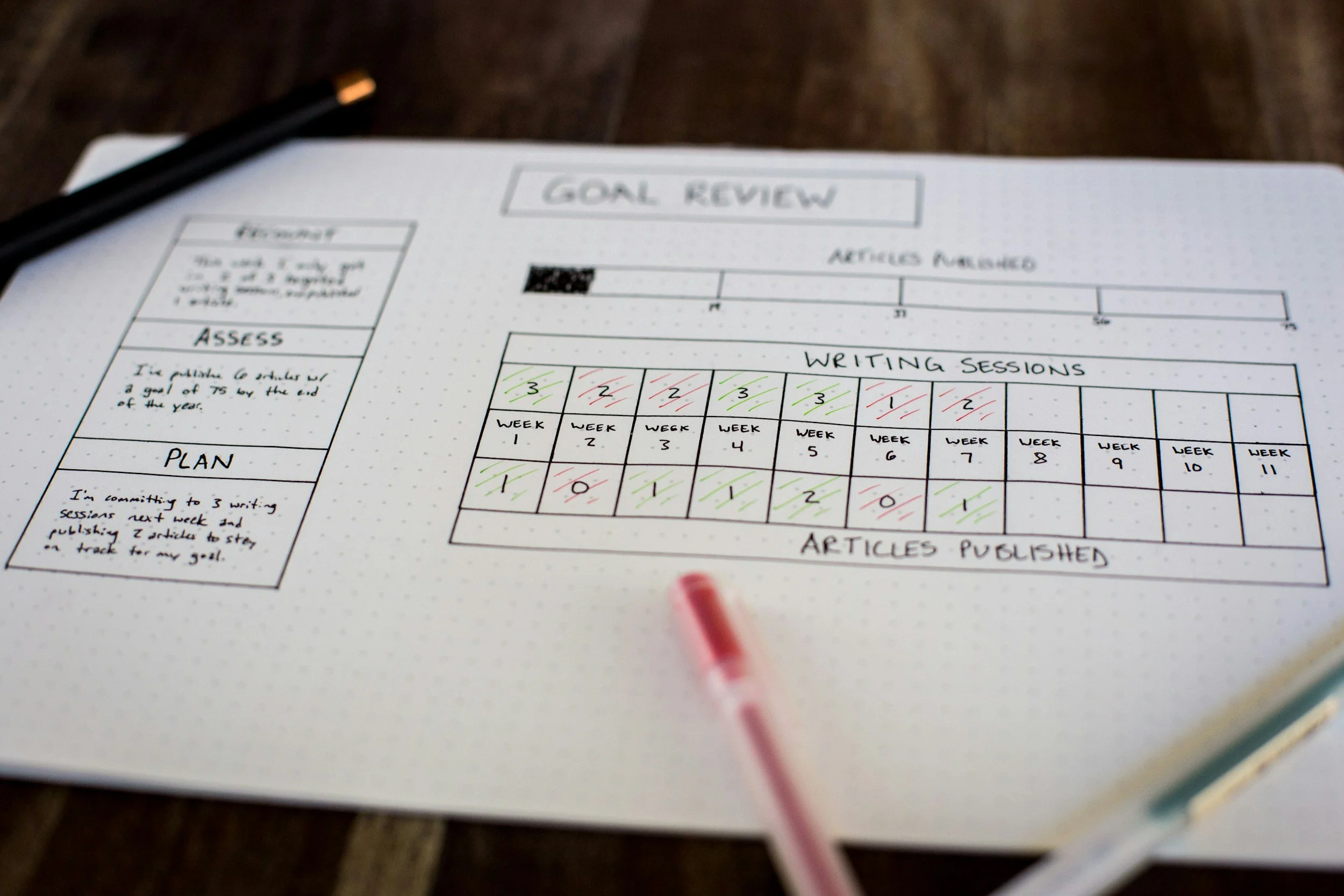
For many of us, it's been three weeks now since you set your 2026 intentions. Maybe you started strong - clarity, energy, momentum. Maybe you eased in slowly, finding your rhythm. Either way, you're somewhere around day 20-ish now. And if you're anything like most wāhine in business, you're sitting with some version of:
“Am I doing this right?”
”Should I be seeing results by now?”
”Why does this feel harder than I thought it would?“
Just after New Year's, I was interviewed by Te Ao Māori News about sustainable goal-setting. One of the things I talked about? Why traditional New Year's Resolutions fail - and it's usually right about now. Week three. They even call the second Friday in January Quitters Day. Often it’s when you head back into regular routines, and out of the holiday bubble. It’s when the shine wears off, and discipline needs to replace motivation.
The reality: The first 30 days of anything are the hardest. It’s not that the work is hardest; it's when you're building rhythm without the dopamine hit of visible results.
This blog post is about what actually matters in the first 30 days, what you should be paying attention to (and what you can ignore), and how to know if you’re on track even when it doesn’t feel like it yet.
Why do the first 30 days feel like this?
A few weeks ago, I decided to separate some spider plants I have. They have been shooting off babies everywhere, and after some very thorough Google reading, I committed to the water propagation process. Who would have thought it’d be a great analogy to share for this kōrero! Anyway, because these spider plant babies are in water, you can see the roots starting to grow.

Very rarely do we get a peek behind the curtains at the results as they’re in the process of coming together. Most often, this process is invisible. We build the foundations beneath the surface (in the soil, per se), and the results become visible when they’re ready.
"The first 30 days aren't about seeing results. They're about building the foundation that results will grow from."
So why are the first 30 days the hardest?
The excitement plateau
New goals bring with them a rush of excitement, hope, and possibility. The first few days in particular are often high-energy and filled with optimism. Momentum tends to carry you for the first two weeks. But in week 3, the shine starts to wear off, reality, fatigue, and old habits create friction. This is when discipline is required. This plateau is completely normal, and it’s where the real work begins.
The comparison trap
As you start to plateau within those first 3 weeks, the novelty wears off, and you start noticing what others are doing - particularly those who are highlighting their success. When you’re fixated on the outcome, you start to see more of it everywhere - just like when you’re buying a new car and all of a sudden you see that car everywhere you go. It’s important to remember that comparisonitis is full of inaccuracies, starting with the fact that your week 3 might actually be someone else’s year 3. Or they may have started in a different position than you. Your timeline is yours - it’s not up for comparison.
The doubt creep
And finally, with that comparisonitis comes the doubt creep. You start asking yourself questions like “Is this working?” “Should I be doing something different?” or “Maybe I picked the wrong focus?” And fatigue starts to set in.
That is why the first 30 days are hard. And it’s why they matter more than any other. The majority of people quit their new goals within the first 30 days. Not because it’s not working, but because they can’t see it working (remember the roots of the plant?). Those who make it past day 30 are the ones who understand: you’re not measuring results yet, you’re establishing a rhythm.
What actually matters in the first 30 days?
We can be experts at complexity sometimes wāhine mā. We tunnel into complexity because subconsciously, it makes us feel like we’re planning, preparing, doing. But really - we’re stalling. Your only job in the first 30 days is to show up consistently.
It’s not about getting it perfect. It’s not about seeing immediate results. And it’s not about ensuring you did everything on your list. *Hello, perfectionism, my old friend*
It’s simply answering the question: “Did I show up today / this week / this month?”
Here’s what showing up actually looks like:
You’re doing the thing you said you’d do
You show up in the messy, imperfect space, even when you don’t feel ready, or you feel small, or you just don’t feel like it at all. Consistency is so much more important than intensity (note to self: applicable to all goals, not just pakihi!).
You’re protecting your focus
You’re able to say no to shiny objects. Your people-pleasing tendencies are held at bay. You don’t have 101 things on your plate to spread your attention, and you resist the urge to switch when things feel slow. You’re also managing your energy, not just your time.
You’re learning as you go
One of the best things I did was to start tracking my actions and metrics using Claude. I set myself a weekly appointment to reflect on my key actions and metrics in a Claude thread and to analyse trends, patterns, and actions, so I could learn on the go and adjust based on real data. Moving away from reacting and into reflecting is intentional.
The first 30 days are not about measuring revenue, big milestones or transformations - it’s simply too early for all of that. The first 30 days are about measuring your consistency in building the foundations, just like the spider plant babies who are growing their roots.
You don’t have to do this alone
If you look around at people you know who achieve their goals, one thing they’ll all have in common is that they don’t do it alone. We’re not meant to do this mahi alone wāhine mā. We are a collective people, and our strength comes from the collective. The collective gives us:
Accountability - You're 65% more likely to achieve your goal if you share it with someone, and 95% more likely if you set a deadline and share regular updates (American Society of Training and Development).
Perspective - Outside of our own echo chamber, we get fresh eyes on our goals, break out of comfort zones and blind spots, and benefit from others' experiences and insights.
Encouragement - Celebrating progress with people who understand the journey matters. No one gets it better than someone who's walked the path too.
Inside Te Kāinga Wāhine membership, we run quarterly planning workshops that set you up for your first 30 days and beyond. Each month, wāhine set their focus in our Mahia te Mahi accountability thread, bring challenges, pātai and celebrations to kōrero groups, and are held by a collective of wāhine that understand the haerenga.
The first 30 days are hard. But they’re easier when you’ve got a village.
P.S. Need resources to support your momentum? Download our free 90+ Essential Resources for Wāhine Māori Business Owners - templates, tools, and guides to keep you moving forward.